
Designing Water Infrastructure For Livestock Properties
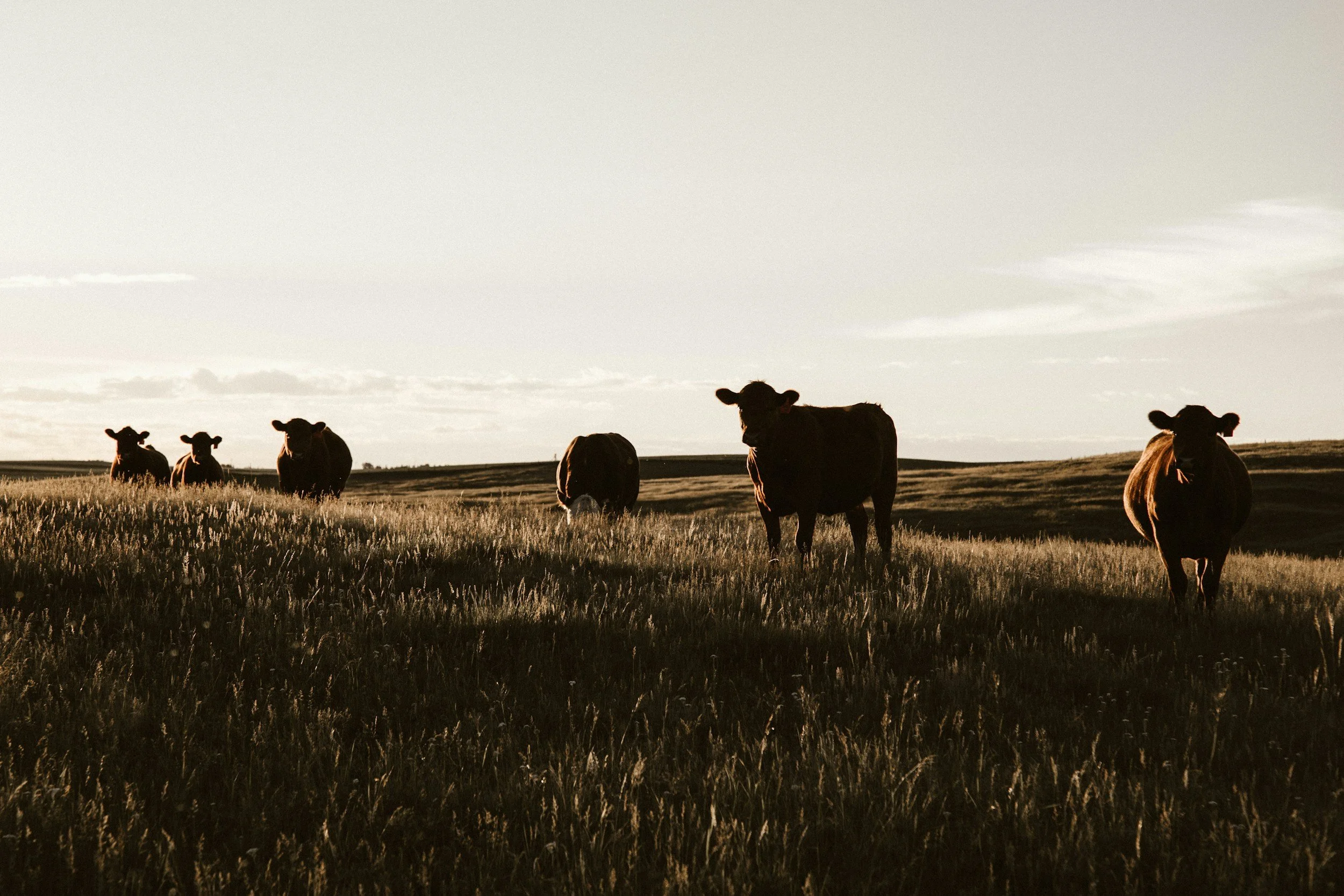
Water is one of the most important resources on any livestock property, but how that water is delivered matters just as much as having it available.
On many North Texas properties, water access develops over time rather than through intentional planning, particularly on properties where clay-heavy soils hold water but limit how it moves through the ground. Livestock rely heavily on a single pond, creek or water source, which leads to overuse in certain areas and underuse in others. The result is uneven grazing, damaged pasture and long-term strain on both the land and the animals.
A well-designed water system changes how livestock use the property. It improves pasture performance, protects natural resources and creates a more efficient operation overall, especially when it is planned alongside soil, drainage and overall land use.
Water access shapes grazing behavior
Livestock naturally spend most of their time near water. If water is only available in one location, animals will repeatedly graze the surrounding area while ignoring the rest of the pasture.
Over time, this leads to:
Overgrazing near water sources
Underutilized pasture in other areas
Soil compaction in high-traffic zones
Declining forage quality across the property
According to research from Noble Research Institute, water placement plays a critical role in grazing distribution. When water is positioned strategically, livestock move more evenly across the land, which supports healthier pasture and better forage utilization.
Moving beyond ponds and natural water sources
Ponds and creeks are common water sources, but relying on them alone often creates problems.
When livestock gather around natural water sources, the surrounding land tends to degrade quickly especially when water is not being properly managed across the property. Hoof traffic breaks down soil structure, vegetation is worn away and erosion increases along the edges of the water.
This not only damages pasture but can also impact water quality over time.
A better approach is to limit direct access to natural water sources and distribute water through controlled systems. This allows landowners to protect those resources while still meeting livestock needs.
Trough placement and pipeline systems
Strategic trough placement is one of the most effective ways to improve both grazing patterns and land condition. By distributing water across multiple areas of the property, livestock are encouraged to spread out rather than concentrate in a single location.
Well-designed systems typically include:
Pipelines that move water from wells, ponds or storage tanks
Troughs placed to serve multiple grazing areas
Locations that minimize travel distance for livestock
Access points that reduce congestion and soil damage
The goal is to make water easily accessible without allowing any single area to become overused.
Reducing erosion and protecting high-traffic areas
Where livestock gather, the land experiences the most wear. Without proper planning, these high-traffic areas can quickly turn into mud, leading to erosion and long-term damage.
Water infrastructure can help reduce this impact by:
Moving livestock away from vulnerable areas
Stabilizing ground around trough locations
Controlling how water flows through high-use zones
Preventing runoff from concentrating in one location
Protecting these areas not only preserves pasture but also reduces maintenance and repair costs over time.
Supporting rotational grazing systems
Water infrastructure plays a key role in making rotational grazing work effectively.
When water is only available in one area, it becomes difficult to rotate livestock through different sections of pasture. Animals will naturally return to where water is located, limiting the effectiveness of grazing management.
By distributing water access, landowners can:
Divide pasture into manageable grazing sections
Rotate livestock more efficiently
Allow forage to recover between grazing periods
Improve overall pasture productivity
This approach aligns with principles promoted by Noble Research Institute, which emphasize the connection between water access, grazing management and long-term soil health.
Designing for drought
North Texas weather is unpredictable, and water systems need to be built with that reality in mind. Drought conditions can place significant stress on livestock operations, especially when water sources become limited.
A well-planned system accounts for these challenges by:
Providing reliable water access across the property
Reducing dependence on a single source
Allowing flexibility as conditions change
Supporting consistent livestock management during dry periods
Planning for drought is not just about having water available. It is about having a system that continues to function when conditions are at their worst.
Building a system that works with your land
Water infrastructure is not just about adding troughs or running pipelines. It is about designing a system that works with the natural layout of the land, supports livestock behavior and protects long-term property value.
When water, pasture and infrastructure are aligned, the result is a property that is easier to manage, more productive and more resilient over time.
If you are relying on a single water source or seeing uneven grazing patterns across your land, it may be time to rethink how water is distributed on your property.
Schedule a property assessment
If you're evaluating improvements for your North Texas property, from pasture restoration to water infrastructure, the right plan makes the difference between short-term fixes and long-term performance.
JW Land & Water provides property assessments built around soil conditions, water movement and infrastructure that holds up in North Texas conditions.